


| Category | Diet for eating and mental and sleeping disorders |
This heart-healthy eating style includes foods such as whole grains, nuts, low and nonfat dairy, fruits, and vegetables. A 2019 study of adolescent girls found that adherence to the DASH diet was associated with lower odds of insomnia.
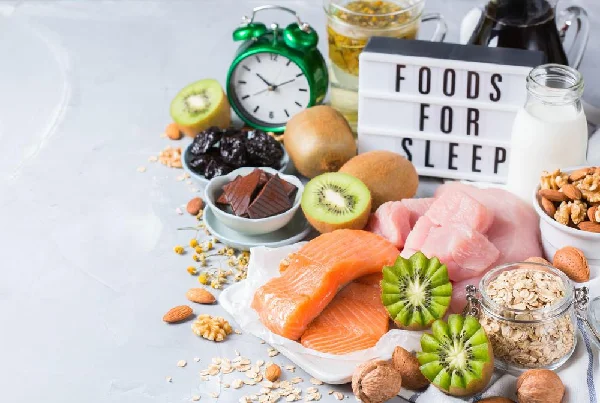
Diet and nutrition can influence the quality of your sleep, and certain foods and drinks can make it easier or harder to get the sleep that you need. At the same time, getting enough sleep is associated with maintaining a healthier body weight and can be beneficial for people who are trying to lose weight.
Sleep disorder significantly affects the life quality of a large number of people but is still an underrecognized disease. Dietary nutrition is believed to play a significant impact in sleeping wellness. Moreover, nutrition can profoundly affect the hormones and inflammation status which directly or indirectly contribute to insomnia.
What to eat
Tart cherries are one of the richest natural sources of melatonin and drinking one cup of tart cherry juice twice a day has been proven to reduce insomnia. Cherries are also rich in antioxidants, which help combat the oxidative stress caused by disordered sleep. Other fruits and vegetables that contain melatonin are organic corn, tomatoes, pomegranate, grapes, broccoli, olives, and cucumber. Melatonin is also found in some grains, such as rice, and in many nuts and seeds. Walnuts are the next biggest dietary source of melatonin after cherries.
Nuts and seeds, fish, and avocados are some healthy foods that are rich in magnesium. The unsaturated fats found in these foods contribute to the production of serotonin. They also contain plenty of vitamin B5, the lack of which can contribute to insomnia and disrupted sleep.
Drinking herbal tea as part of your nighttime routine can also help you have a restful night. Chamomile tea is particularly soothing. Be careful, though - some teas, such as black tea, are high in caffeine and will have the opposite effect!
What not to eat
Caffeinated foods and beverages, added sugar, refined carbs, spicy foods, high-fat foods, and alcohol to poor sleep quality and shorter sleep duration.
Alcohol is a huge no-no when it comes to a diet for healthy sleep. While it can make you feel drowsy and even cause you to fall asleep more quickly, alcohol disrupts your circadian rhythm and prevents you from reaching the deep sleep needed for proper rejuvenation.


