

| Category | Thyroid management diet |
Thyroid Disease
The thyroid gland in our body creates and produces hormones that play a role in many different systems throughout the body. When this gland makes either too much or too little of these important hormones, it’s called a thyroid disease. There are several different types of thyroid disease, including hyperthyroidism(increased hormone secretion), hypothyroidism ( decreased hormone secretion), thyroiditis, and Hashimoto’s thyroiditis.
People with thyroid conditions should avoid foods containing goitrogens – substances found in foods like cruciferous vegetables and soy products that may interfere with thyroid hormone production.
While goitrogens can impact thyroid function, most people, including people with hypothyroidism, can enjoy moderate amounts of goitrogen-containing foods like cabbage, broccoli, and kale without negatively impacting their thyroid health.
Cruciferous vegetables like kale and broccoli are actually quite low in goitrogens. Plus, cooking goitrogen-containing foods reduces goitrogenic activity, making them safer for people with hypothyroidism
That being said, it’s a good idea to avoid eating large amounts of raw cruciferous vegetables like cabbage, Russian kale, bok choy, and Brussels sprouts as well as large amounts of juice made with raw cruciferous vegetables. Other goitrogenic foods include soy and pearl millet.
In general, people with hypothyroidism should avoid eating large amounts of goitrogenic foods.
Dietary management of the thyroid:
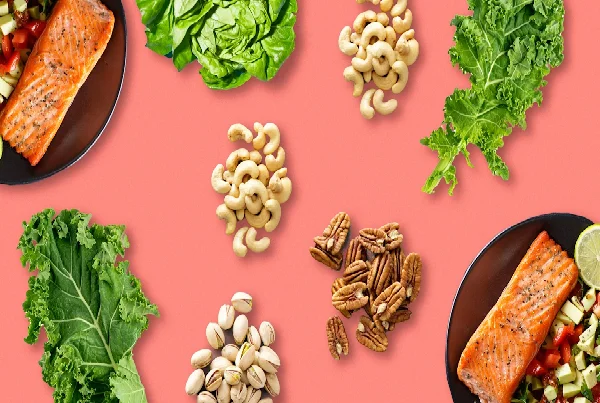
If you have hypothyroidism, try incorporating the following nutritious foods into your diet:


